
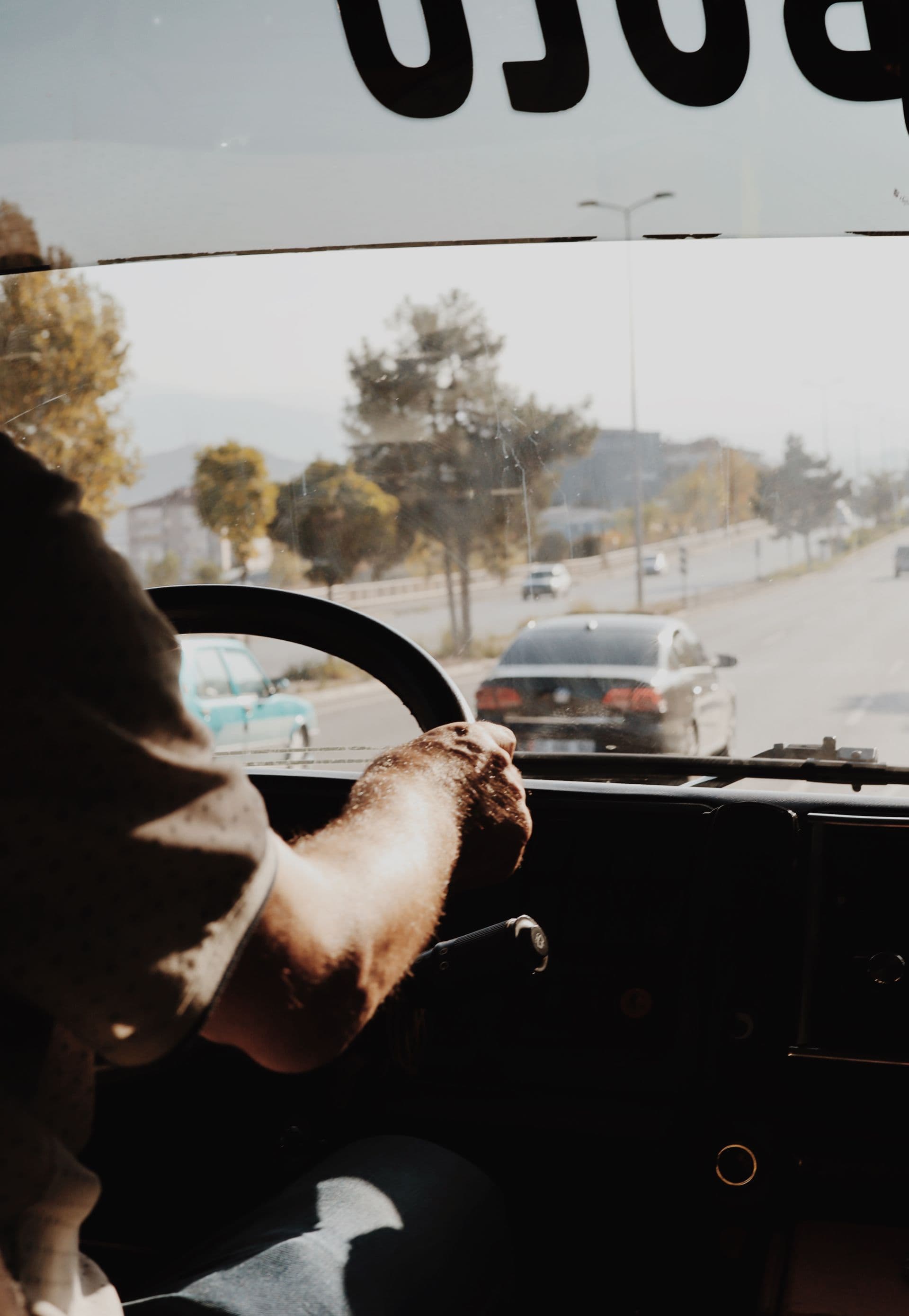
RESERVATIONS
Car Rental in Pattaya
Car rental arranged in Japanese or English, with clear guidance on insurance and returns.
AT A GLANCE
- Languages
- Japanese and English
- Rates
- Sedan 1,400 THB/day, 7-seater 1,800 THB/day (deposit separate)
- Insurance
- Insurance is included in the price (we explain the cover beforehand)
- Requirements
- Passport and a licence valid in Thailand
- Options
- Long-term rental, cars with drivers
Information as of 2 Oct 2026
Who this service is for
- Families or groups who want to explore Nong Nooch, Khao Chi Chan and other nearby sights at their own pace
- Long-stay residents who often drive to golf courses or suburban neighbourhoods
- Anyone who wants to understand the cover and contract terms in Japanese before renting
- People who want to compare driving themselves with hiring a car and driver
Large booking sites can rent you a car, but the contract and insurance terms are in English or Thai, and calls after an accident usually are too. We guide you in Japanese from choosing the vehicle to the cover and the return check.
Which licence you need (as of September 2026)
In Thailand you may drive with a Thai driving licence or an International Driving Permit issued under the Geneva Convention. A Japanese licence on its own is not treated as a valid licence in Thailand.
| Licence you hold | Driving in Thailand | Notes |
|---|---|---|
| Japanese licence only | Not allowed | Even if a shop will rent to you, you may be treated as driving unlicensed |
| Japanese licence plus IDP | Allowed | An IDP is valid for one year from issue. Carry your Japanese licence as well |
| Thai driving licence | Allowed | We recommend converting if you are staying long term |
| Riding a motorcycle | Motorcycle class needed | Check that your IDP or Thai licence covers motorcycles |
Under the Geneva Convention, an IDP lets you drive for up to one year after entry and only while the permit is valid. A Japanese IDP is issued at licence centres and police stations in Japan before you travel; it cannot be obtained in Thailand.
If you are staying long term, converting to a Thai licence before your IDP expires saves returning to Japan for a new permit. See our driving licence page for the process. We check the current practice, including differences by visa status, when you contact us.
Costs to check before you rent
Our rental rates and deposits are shown in the table below (as of October 2026), together with the other costs worth checking before you sign.
| Cost | What it is | Guide and our approach |
|---|---|---|
| Rental fee | Daily charge for the car, insurance included | Sedan 1,400 THB/day; 7-seater 1,800 THB/day |
| Deposit | Returned if there is no problem at return | Sedan 5,000 THB; 7-seater 10,000 THB |
| Excess | The most you pay towards damage after an accident | Often set at tens of thousands of THB. We check whether extra cover can reduce it |
| Fuel | Usually full-to-full | At cost, paid by you |
| Tolls and parking | As used | At cost, paid by you |
| Car with driver | Driver fee, plus overtime for long days | Depends on the arrangement. Please enquire |
The excess figure is an example of terms posted by rental companies in Pattaya as of September 2026. Before you book, we tell you the insurance cover and the excess.
Types of motor insurance in Thailand
Motor insurance in Thailand is split into compulsory insurance required by law (known as Por Ror Bor) and voluntary insurance.
- Compulsory insurance (Por Ror Bor): minimum cover for injury and death. It does not pay for repairs to your car or the other vehicle. Initial medical cover, paid regardless of fault, is capped at 30,000 THB per person
- Voluntary Class 1: the widest cover, including single-vehicle accidents, theft and fire
- Voluntary Class 2+ and 3+: mainly your car and the other party's losses in a collision with another vehicle. Depending on the type, theft and single-vehicle accidents are excluded
- Voluntary Class 3: third-party injury and property only. Repairs to your own car are not covered
Rental cars carry compulsory insurance, while the voluntary class depends on the company and vehicle. Before you sign, we explain in Japanese which class applies, what the excess is and when you would not be covered.
Driving without a valid licence, drink-driving or letting someone not named on the contract drive usually voids the cover. Check before you travel whether your travel insurance includes rental car cover.
Documents, pick-up and return
What to bring
- Original passport (the original, not a copy, is usually required)
- An IDP together with your Japanese licence, or a Thai driving licence
- A way to pay the deposit (credit card or cash, depending on the company)
- For long stays, your local address and contact details
From pick-up to return
- Consultation. We ask about passengers, luggage, period and whether you need a driver, then suggest a vehicle
- Quotation. We state the rental fee, deposit, excess and voluntary insurance class
- Pick-up. We check the bodywork together and take photos. We also confirm the fuel type (gasohol 91 or 95, diesel and so on) and where the filler cap is
- During the rental. After an accident or breakdown, make sure everyone is safe, then contact the rental company and us
- Return. Bring the car back full, and the deposit is returned once the check is done. A card hold can take some days to be released
We do not recommend contracts that require you to hand over your passport, as this risks loss and can get in the way of immigration procedures.
Road rules that differ from Japan, and common mistakes
- Driving on the left in a right-hand-drive car is the same as in Japan. However, divided roads often require a U-turn to reach the other side, so you may loop well past your destination
- Motorcycles pass on both sides of your car. Check your mirrors and look over your shoulder before turning left or changing lanes
- Every occupant, including rear passengers, must wear a seat belt (since September 2022). Children under six must use a child seat
- The drink-driving limit is 0.05% blood alcohol. A stricter 0.02% applies to some drivers, including those who have held a licence for less than five years
- Helmets are compulsory for both motorcycle riders and passengers
- After an accident, photograph the scene before moving the car and call the rental company. The Tourist Police number is 1155; for an ambulance, call 1669
The three most common mistakes are renting with only a Japanese licence, driving off without checking for damage, and using the wrong fuel. Checking together at pick-up prevents most of them. On days you would rather not drive, you can switch to a car with a driver or our tour transfers.
HOW IT WORKS
How it works
Share your needs
Tell us the vehicle type, period, and whether you need a driver via the form.
Confirm the details
We confirm the vehicle, insurance coverage and return points, then finalise the booking.
Pick-up and return
We check the vehicle together at hand-over. Questions are welcome on LINE.
FAQ
Questions about this service
Q01Can I hire a car with a driver?
Yes, cars with drivers can be arranged. Let us know the purpose and period of use.
Q02What about insurance?
Coverage is explained clearly before your booking is confirmed. We are happy to go through any points until you are comfortable.
Q03What do I need if I drive myself?
You need your passport and a licence valid in Thailand. If driving yourself is not an option, ask us about a car with a driver.
Q04I heard some shops rent cars on a Japanese licence alone. Is it all right to drive?
A Japanese licence on its own is not valid in Thailand. You risk a fine for driving unlicensed, and your insurance may not pay out after an accident. Please bring an International Driving Permit or a Thai licence.
Q05Can I get an International Driving Permit in Thailand?
A Japanese IDP is issued at licence centres and police stations in Japan, so it cannot be obtained in Thailand. Please arrange it before you travel. If you are staying long term, ask us about converting to a Thai licence.
Q06When is the deposit returned?
The car and fuel level are checked at return, and the deposit is refunded if there is no problem. A cash deposit is usually returned on the spot; a credit card hold can take some days to be released.
Q07What should I do first after an accident?
Make sure everyone is safe and call an ambulance on 1669 if anyone is hurt. Photograph the scene and the vehicles before moving them, then contact the rental company and us. Ask us if you need interpreting with the police or the insurer.
READY TO BOOK
Car Rental
Ask us about anything you read above. Book through the form, or message us on LINE for quick questions.
RELATED SERVICES