PATTAYA GUIDE

A new city,
on solid ground.

From what Pattaya is to who to call in an emergency — the essentials of a stay, in one place.

ABOUT PATTAYA

150km from Bangkok.
A city by the sea.

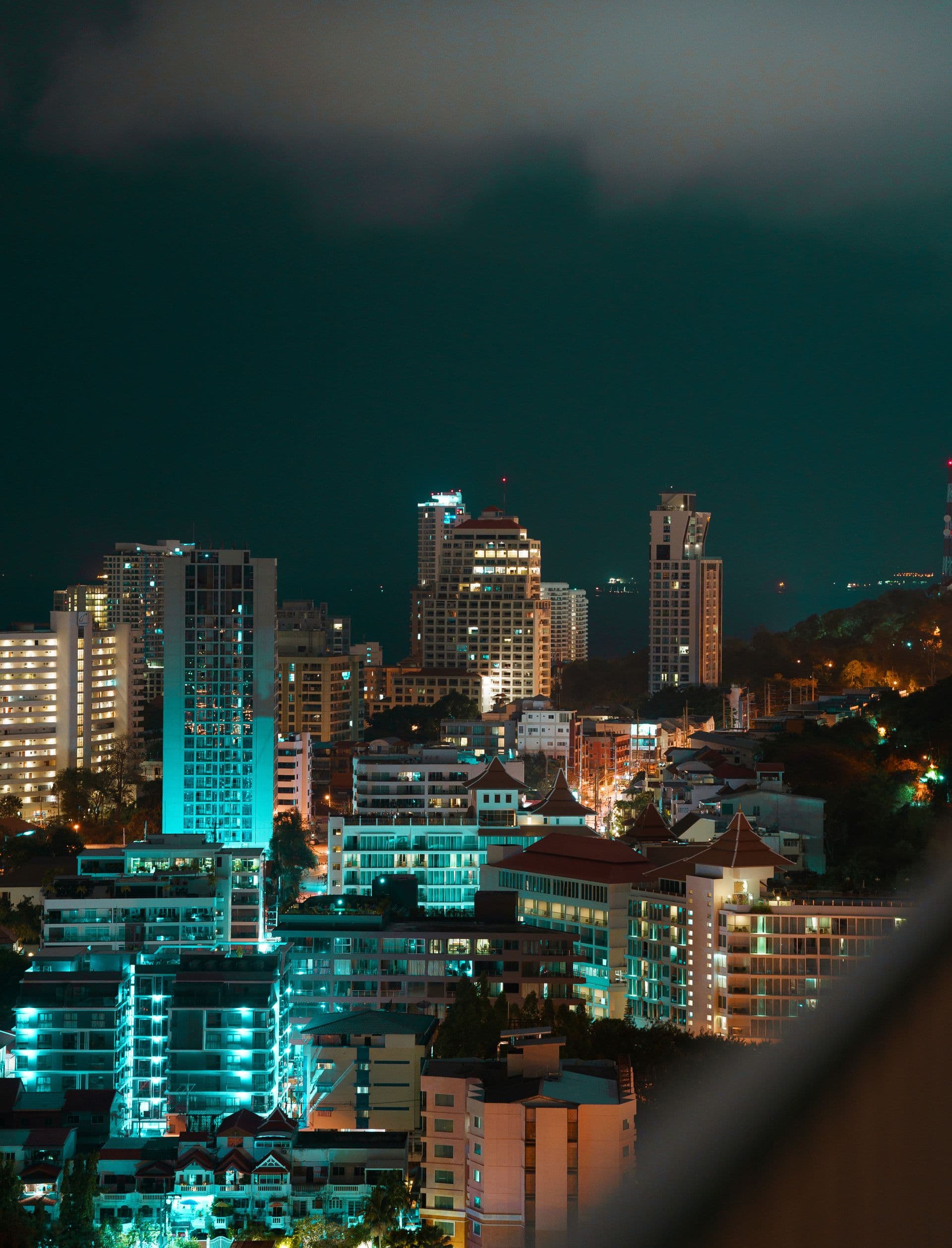
Pattaya lies roughly 150km south-southeast of Bangkok on the Gulf of Thailand — an urban beach resort combining easy access with full city amenities, chosen for holidays and long stays alike.

OUTDOOR

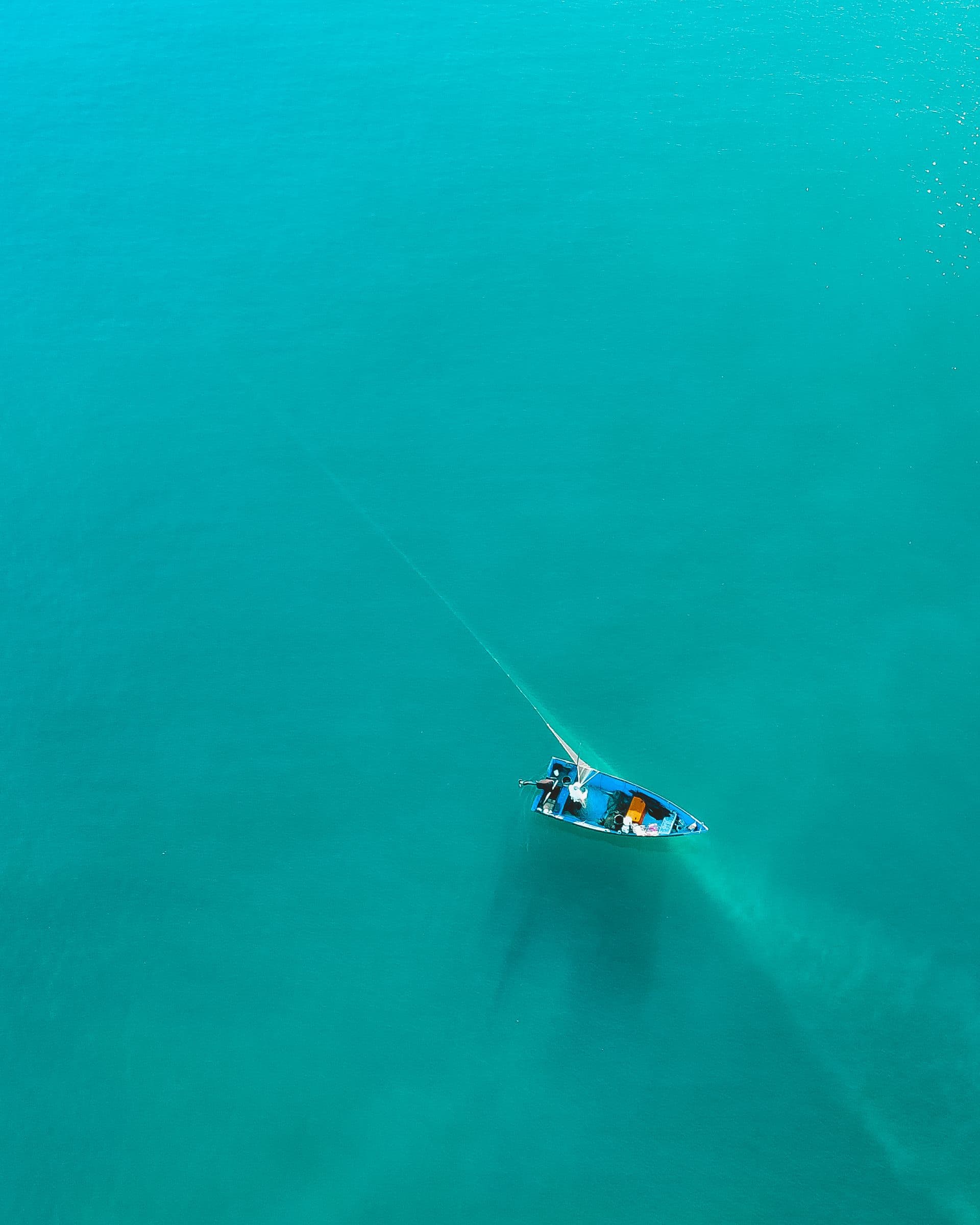
Sea and islands

Koh Larn and its neighbours, and marine sports — a day-trip radius built around the water.

View speedboat charters
LONG STAY

A base for longer stays

Hospitals, shopping and an established Japanese community make long stays practical here.

View visa services

GOOD TO KNOW

A few things that make
the trip smoother.

01

Best season

The most comfortable months are the dry season, roughly November to February. March to May is hot; May to October is the rainy season, though rain tends to come as short squalls rather than all-day downpours.

02

Money

The currency is the Thai baht (THB). Exchange booths and ATMs are easy to find in town (ATMs charge a fixed fee). Cards work at hotels and larger shops; markets and street stalls run on cash.

03

Getting around

The songthaew — a shared pick-up truck on fixed routes — is the city's main ride, and ride-hailing apps also work. For night journeys, or when you would rather be sure of a seat, our transfers are available.

04

Staying connected

Tourist SIMs and eSIMs are sold at the airport and convenience stores. If setup feels daunting or you are travelling as a group, our Wi-Fi and phone rental is the easy route.

05

Etiquette

Cover shoulders and knees at temples, avoid touching anyone's head, and treat the royal family with respect. When in doubt, just ask us on the spot.

THAILAND BASICS

Thailand Basics

Information as of September 2026. Exchange rates, prices, entry rules and laws change. Before travelling, check the latest guidance from your embassy and the Tourism Authority of Thailand. Yen figures are guides calculated at 1 THB ≈ 4.7 JPY.

Time zone

2 hours behind Japan (12:00 in Japan = 10:00 in Thailand)

  • No daylight saving time.
  • When contacting Japan, shift Japanese office hours back by two hours.
Currency and exchange rate

Thai baht (THB). 1 THB ≈ 4.7 JPY, 10,000 JPY ≈ 2,100 THB (guide, September 2026)

  • Notes: 20, 50, 100, 500 and 1,000 THB. Coins: 1, 2, 5 and 10 THB.
  • Guide: 100 THB ≈ 470 JPY, 1,000 THB ≈ 4,700 JPY.
  • Rates change daily. Check the rate on the day you exchange.
Exchange and cards

Better rates in Thailand than in Japan. Cards work in larger shops; stalls and markets take cash

  • City exchange booths usually give better rates than the airport. Many people change a small amount at the airport and the rest in town.
  • Withdrawing with a foreign card at an ATM costs around 200 to 350 THB per transaction, and fees have been rising.
  • Credit cards are accepted at hotels, department stores, large supermarkets and tourist restaurants. Street stalls, markets, songthaews and small shops are cash only.
  • Thailand's QR payment system (PromptPay) cannot be used from Japanese banking or payment apps as of September 2026.
Prices

Street food 40 to 200 THB (about 190 to 940 JPY), 500 ml water 6 to 9 THB (about 30 to 40 JPY)

  • A meal at a local restaurant: 60 to 150 THB (about 280 to 700 JPY). Tourist restaurants from 500 THB (about 2,350 JPY).
  • Beer at a convenience store: 33 to 50 THB (about 155 to 235 JPY).
  • Songthaew (shared pick-up truck): 15 to 20 THB per ride (about 70 to 95 JPY, revised April 2026).
  • Motorbike rental: 150 to 300 THB per day (about 700 to 1,400 JPY). An International Driving Permit for motorcycles is required.
  • Tourist SIM: around 399 to 449 THB for 8 days (about 1,900 to 2,100 JPY).
Electricity

220 V, 50 Hz. Most sockets accept the Japanese two-flat-pin plug (type A)

  • Round-pin (type C) sockets also exist, so bring one adapter to be safe.
  • Phone and laptop chargers marked 100-240 V do not need a transformer.
  • Japan-only 100 V appliances such as hair dryers and shavers need a transformer. Check the label on the device.
Water and hygiene

Tap water is not for drinking. Use sealed bottled water

  • Because of the condition of pipes and tanks, tap water is not suitable for drinking. Until you are used to it, bottled water for brushing teeth is a good idea.
  • In restaurants, the cylindrical ice with a hole in the middle is factory-made and relatively safe. Irregular ice is best avoided.
  • We do not recommend water from vending machines. Use sealed bottles from convenience stores.
  • Travel insurance is strongly recommended. Private hospital bills can be high.
Tipping

Not compulsory, but small tips are customary

  • Restaurants: not needed if a 10% service charge is on the bill; otherwise about 10%.
  • Hotels: 20 to 50 THB (about 95 to 235 JPY) for porters and housekeeping, around 100 THB at luxury hotels.
  • Massage: 50 to 100 THB (about 235 to 470 JPY).
  • Taxis: leaving the change is enough. About 20 THB if the driver handles luggage.
Climate and clothing

Average about 28°C. Dry season Nov to Feb, hot season Mar to May, rainy season around May to Oct

  • The best time to visit is the dry season from November to February, with clear skies and lower humidity.
  • Hottest month is April (average high about 33°C); coolest is December (average low about 22°C).
  • Rainy-season rain comes mostly as short, heavy showers rather than all-day rain. A folding umbrella or rain jacket is useful.
  • Summer clothes all year. Indoor air conditioning is strong, so bring a light layer. Temples require shoulders and knees to be covered.
Entry

Japanese nationals may stay visa-free for 30 days (from 15 September 2026; previously 60)

  • Anyone who entered on or before 14 September 2026 may stay until the date stamped on entry.
  • The TDAC (Thailand Digital Arrival Card) is compulsory. Apply free on the official site from three days before arrival. No agency payment is needed.
  • Have at least six months' validity left on your passport.
  • You may be asked to show an onward ticket. Keep your booking confirmation handy.
  • To stay longer than 30 days, you need an extension at Immigration or a visa. We can help.
Emergency numbers

Police 191 / Tourist Police 1155 (English) / Ambulance 1669 / Fire 199

  • For help in Japanese or English, call our office on +66 80-050-0999 (10:00–19:00). A night-time emergency number is being prepared.
  • For a lost passport, crime or accident, also contact your embassy's consular section in Bangkok.
  • Bangkok Hospital Pattaya has Japanese-speaking coordinators and accepts cashless treatment under travel insurance.
Laws and prohibitions

E-cigarettes are illegal to bring in, possess or use. Cannabis without a prescription is prohibited

  • E-cigarettes, including heated tobacco, are penalised even for possession. Do not bring them from Japan.
  • Cannabis rules were tightened in June 2025 and it is now limited to medical use with a prescription. Buying it in shops is illegal. The rules keep changing, so check the latest.
  • Criticism of or disrespect towards the monarchy carries heavy penalties. Avoid such posts on social media and treat banknotes bearing the King's portrait with care.
  • Alcohol sales hours are now 11:00 to 24:00 nationwide (from May 2026). No purchases after midnight.
  • Indoor public places are non-smoking. Use designated smoking areas.
Getting around

Songthaew 15 to 20 THB; install both Grab and Bolt for ride-hailing

  • Songthaews are shared pick-up trucks on fixed routes. Wave one down, press the buzzer where you want to get off, and pay the driver as you leave.
  • Ride-hailing apps show the vehicle and plate number in advance with a fixed fare, and can also book motorbike taxis.
  • Riding a rental motorbike requires an International Driving Permit for motorcycles or a Thai licence. Riding without one is fined and insurance will not pay out after an accident. Wearing a helmet is required by law.
  • For night-time journeys, or when you would rather be sure of a seat, our transfers are available.
Mobile and internet

Tourist SIMs are sold at the airport and convenience stores; eSIMs can be set up before you travel

  • The main carriers are AIS, TrueMove H and dtac.
  • Tourist SIM examples: 8 days / 15 GB for 399 THB, 8 days / unlimited for 449 THB (July 2026).
  • With a compatible phone, an eSIM can be bought and set up while still in Japan. Your phone may need to be SIM-unlocked.
  • If you would rather not set it up yourself, or are travelling in a group, our Wi-Fi and phone rental is available.
Opening hours

Banks weekdays about 8:30 to 16:00. Most convenience stores are open 24 hours

  • Bank branches inside shopping malls often open at weekends, following the mall's hours (until around 20:00).
  • Government offices open on weekdays only. Banks and offices close on public holidays, which change each year; check the Tourism Authority of Thailand calendar.
Etiquette

Cover shoulders and knees at temples. Do not touch people's heads or point your feet at people or Buddha images

  • Women should not touch a monk or his belongings.
  • The royal anthem is played before films at cinemas; it is customary to stand.
  • Avoid loud talking, running or dancing inside temples.
  • Bargaining is common at markets and stalls, but convenience stores, supermarkets and restaurants have fixed prices.
Areas of Pattaya

From north to south: Naklua, Central and Jomtien. About 20 to 30 minutes by car end to end

  • Naklua: a quieter area with large family resorts.
  • Central: the heart of town, with big malls and restaurants along the beach. Walking Street is at the southern end.
  • Jomtien: a long beach of about 6 km lined with condominiums and local restaurants, suited to longer stays.
  • About 120 km from Bangkok (Suvarnabhumi Airport): around 1.5 to 2.5 hours by car, depending on traffic.

For local questions, ask a local team.

The things you cannot find online are exactly what to ask us.

Consultation and quotes are free, with no obligation.